



 On May 15th, Journey Mental Health Center is hosting a community luncheon focused on youth mental health – open to parents, educators, and anyone who cares about young people.
Register here. Here’s what to know before then.


Looking Beyond “Why Are They Acting This Way?”
When a teenager’s behavior starts to shift, most parents look for a clear reason. Why are they acting differently? Why are they shutting down?
It’s a natural instinct – but often, it focuses on the behavior instead of what’s underneath it.
What mental health professionals see far more often is a teenager who has been managing something on their own for a long time – eventually showing signs that something isn’t right.
Journey Mental Health Center sees this firsthand, screening more than 4,000 Dane County middle and high school students each year for depression, trauma, and suicide risk.
What Journey Is Seeing in Dane County Schools
According to Journey’s own screening data from 4,327 Dane County middle and high school students last year:
- 37% had clinically significant symptoms of traumatic stress and/or depression
- 669 students said “I think about killing myself but I would not do it”
- 34% of students of color reported being treated differently, teased, or bullied because of their race or culture
These aren’t national averages – this is what Journey is seeing in local schools. And the signs can be easy to miss – withdrawal, mood changes, dropping grades, disrupted sleep – which is why many go unnoticed.
That uncertainty – what’s typical, what’s not, and when to step in – is exactly what this Youth Mental Health Luncheon is designed to help with.
What This Means for the Conversation at Home
Many parents wait for a visible sign before bringing up mental health – but by then, a kid may have been struggling for a while. Talking about it earlier makes a difference. The goal isn’t a perfect answer – it’s being someone who asks and listens non-judgmentally.
One thing that helps: go first. Share something of your own before you ask anything – what annoyed you today, how you unwound after work.
Some questions that start conversations rather than interrogations:
- “What was the best and worst part of your day?”
- “What do you do to decompress when you get home?”
- “When’s the last time you felt truly rested?”
- “Is there anything going on at school right now that you think adults don’t really understand?”
If something feels off – mood changes, withdrawal, declining grades, disrupted sleep – it could be a sign your child needs support. Journey offers outpatient therapy for teens and a 24/7 crisis line.
Keep the Conversation Going on May 15th
The questions parents are sitting with – when to say something, what to look for, how to help – are exactly what Journey’s Youth Mental Health Luncheon is built around.
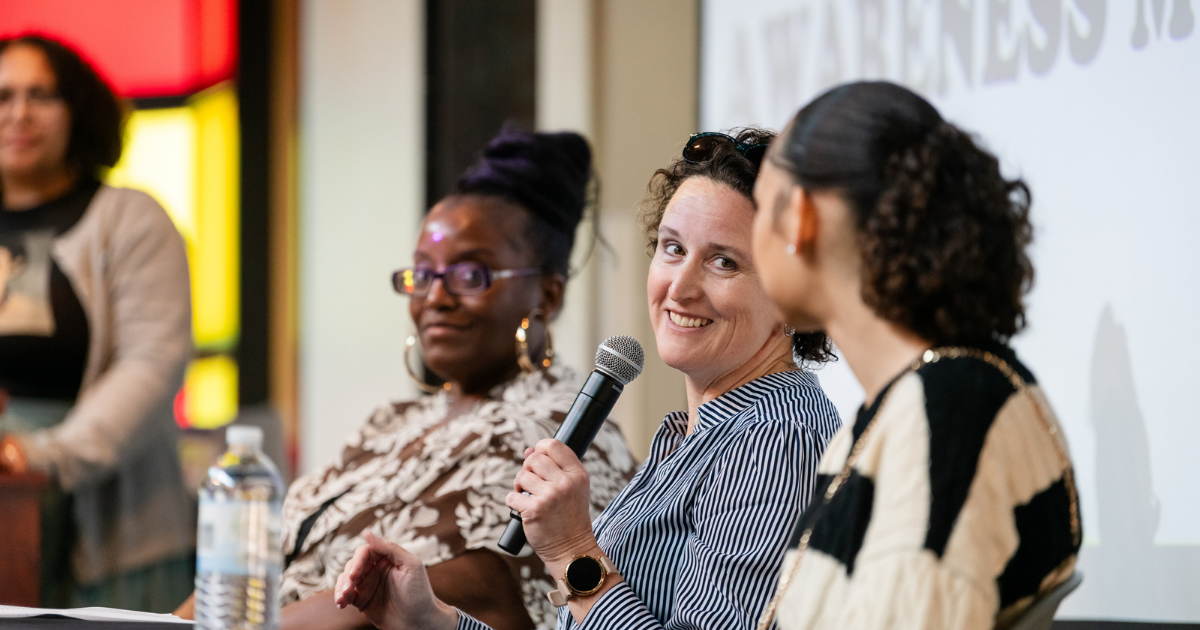
On Friday, May 15th from 11:30am–1:30pm at Journey Mental Health Center in Madison, a panel of people who work inside this every day will bring that perspective to the community. Open to parents, educators, and anyone who cares about young people.
Panelists include:
- Dr. Jasmine Zapata — pediatrician, author, and award-winning speaker
- Kate Duffy — founder of Motherhood for Good
- Tyrone Creech — Executive Director of GSAFE
- Dr. Joe Gothard — Superintendent of Madison Metropolitan School District
- A youth panelist
Tickets are $30, lunch is included, and every ticket directly supports Journey’s programs. If your kids are young, this is the time to build the foundation. If they’re already teenagers, it’s not too late.
 Register here